Product strategy
Define the core use case, audience, priorities, and smallest valuable release before expanding the roadmap.
We design mobile apps, web products, and online store experiences as connected systems—clear flows, consistent interface patterns, and prototypes your team can build from with confidence.
Without clear priorities, realistic user flows, and consistent interface behavior, products become slow to learn and hard to extend—whether they live on a phone, in a browser, or in a checkout.
We organize the product around the moments people return for, then connect research, flows, and interface design into one system that feels deliberate from onboarding to daily use.
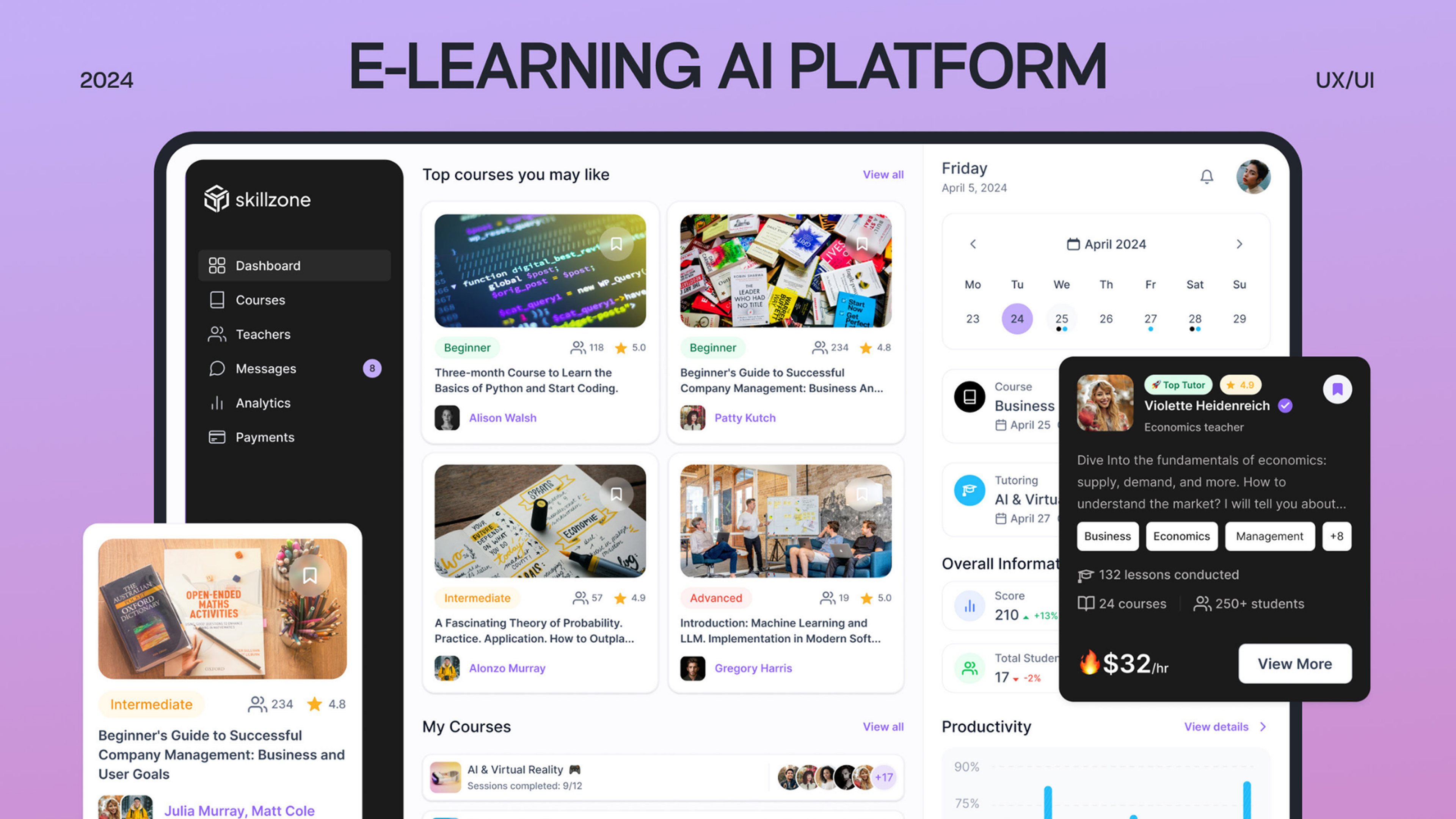
A two-sided education marketplace and classroom system where students discover teachers, buy courses, chat, take quizzes, and track learning while educators publish content, manage bookings, and run classroom operations.
View project →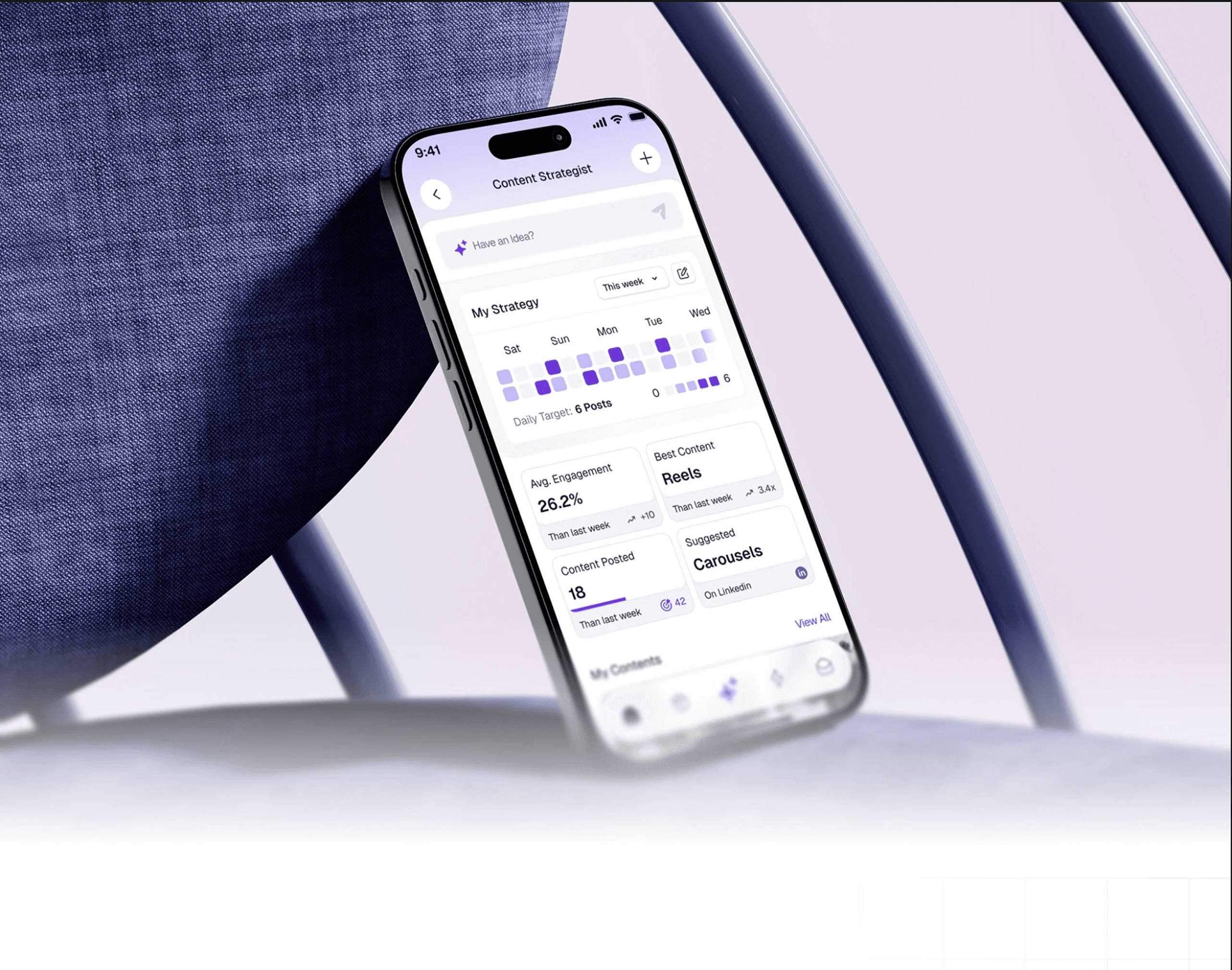
An AI-powered mobile assistant for creators, small teams, and growing businesses who need to plan, write, analyze, and launch social media content without switching between scattered tools.
View project →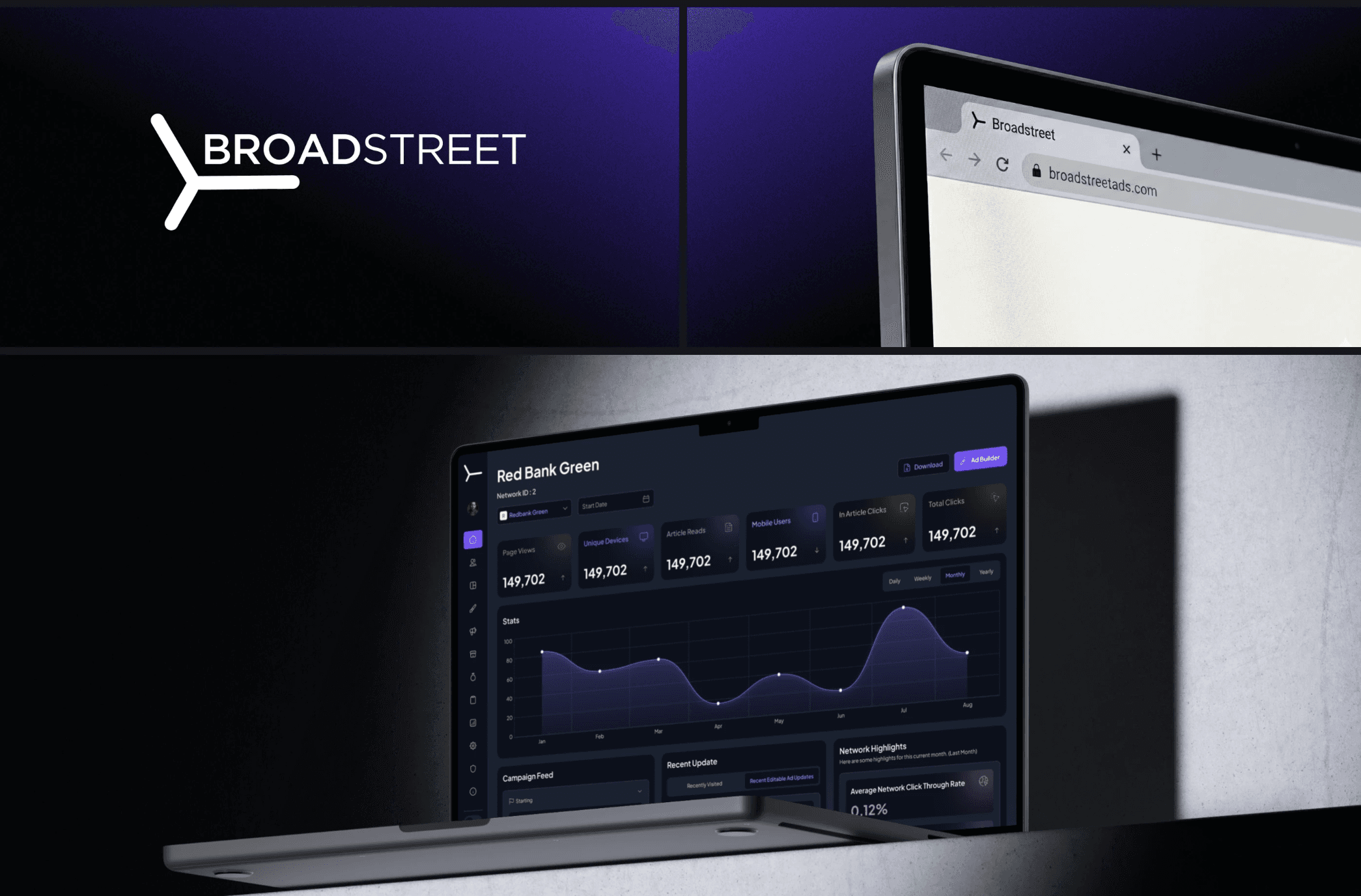
A full-scale UI/UX system for Broadstreet Ads, built to help publishers manage campaigns, review performance, create ad content, and navigate complex advertising operations with confidence.
View project →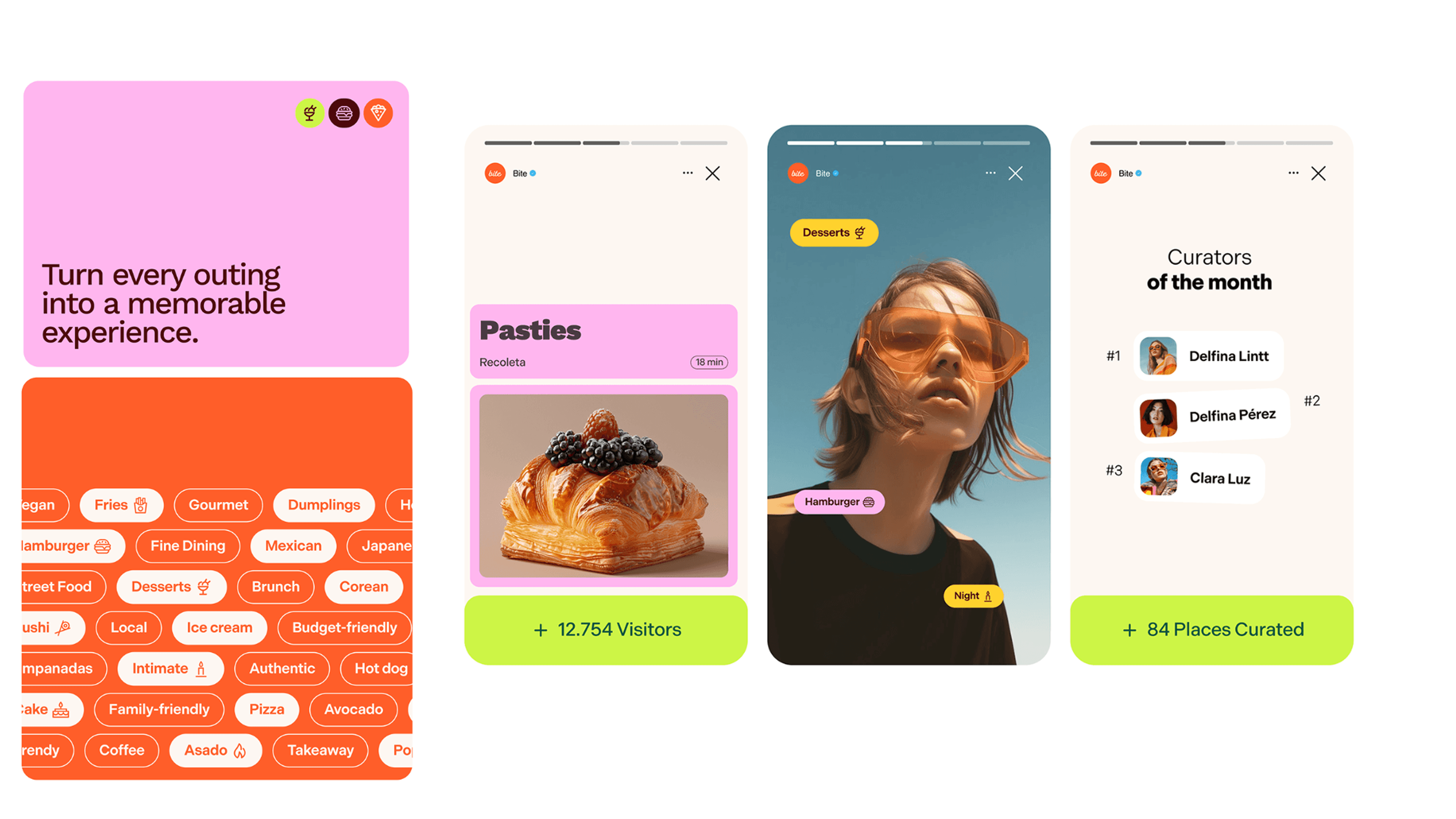
A mobile app concept that helps people discover restaurants, cafes, bars, and food experiences based on taste, mood, social proof, and personal routines.
View project →Define the core use case, audience, priorities, and smallest valuable release before expanding the roadmap.
Map and test the important journeys early, while structural changes are still fast and inexpensive.
Design reusable components and states that feel coherent across iOS and Android screen sizes.
Turn dense information and multi-step workflows into clear views, actions, and useful feedback.
Shape navigation, product pages, and checkout paths so shoppers and visitors can decide and act without friction.
Build reusable components, patterns, and documentation that keep design and engineering aligned as the product grows.
We align on the core user, recurring problem, business rules, and the workflows that carry the most value or risk.
We define navigation, states, and key interactions, then test the product logic with prototypes before polishing screens.
We build the visual language, components, and screens together, with regular reviews of real flows instead of static handoffs.
You receive organized Figma files, documented patterns, and a walkthrough so engineering can build without guesswork.
You need to turn an idea or prototype into a focused experience people can actually use.
The app or website works, but key flows have become slow, inconsistent, or difficult to learn.
Design and engineering need reusable patterns before feature growth creates more fragmentation.
“The handoff was unusually clean. Repo, Figma, docs, Loom, and two weeks of polish without chasing anyone.”
Minh LeProduct · BaoVie
Mobile apps, web apps, dashboards, internal tools, and the UX of websites and online stores. We shape the scope around the product, its users, and the platforms it needs to run on.
Yes. We design navigation, collection and product pages, and the checkout path, then hand off to your team or build it with our website service so design and implementation stay connected.
Yes. We can begin with product definition, workflow mapping, and an interactive prototype before moving into full interface design.
Yes. We can audit the current experience, identify the workflows creating the most friction, and scope improvements without assuming a complete rebuild.
Our focus is design and handoff. We deliver organized files, documented patterns, and walkthroughs so your engineering team can build confidently, and can discuss implementation support as a follow-on scope.
Your team does. Figma files, assets, and documentation are transferred as part of delivery.